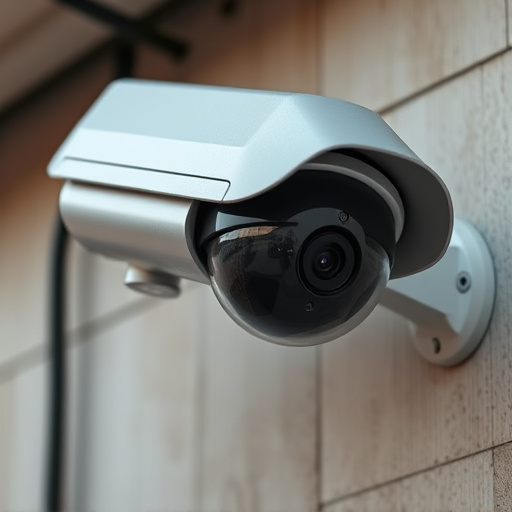
Optimizing fake security camera placement by mimicking real heights and integrating subtle visual cues deters criminals effectively. Positioning cameras between 5 to 10 feet above ground, incorporating brackets or cables, and integrating them into structures like corners or ceilings creates a robust, discreet surveillance network, enhancing asset protection.
In today’s digital era, security camera systems play a pivotal role in safeguarding spaces. However, criminal minds have evolved to exploit the vulnerabilities of standard cameras through fake placement strategies. This article delves into the art of realistic security camera shell design, focusing on evaluating and countering fake camera height placement tactics. By exploring design considerations and emphasizing discreet yet effective security measures, we’ll uncover how to fortify against potential threats, ensuring optimal protection for any environment.
- Evaluating Fake Camera Placement Strategies
- Design Considerations for Realistic Shells
- Enhancing Security: Height and Discreet Placement
Evaluating Fake Camera Placement Strategies
Many would-be criminals attempt to thwart security cameras by employing various fake camera placement strategies, often relying on misjudging the average eye level for security camera height placement. They place decoys at inappropriate heights, expecting these to deter actual surveillance. However, a thorough evaluation of these tactics is crucial. Realistic security camera shell design takes into account human perception and common blind spots, ensuring that cameras are positioned optimally to capture clear footage without appearing obvious.
By studying real-world environments and human behavior, designers can create fake cameras that blend seamlessly into the background while maintaining their functionality. This involves careful consideration of factors such as lighting, reflection, and shadow, making it challenging for perpetrators to distinguish between genuine and phony surveillance equipment. Such strategic design not only enhances security but also underscores the importance of understanding psychological aspects in physical security solutions.
Design Considerations for Realistic Shells
When designing realistic security camera shells, one crucial consideration is the Fake Security Camera Height Placement. This aspect plays a significant role in making the deception effective. Cameras should be positioned at heights that mimic typical installation points, often between 5 to 10 feet above ground level. Such heights are common for real security cameras, so mimicking them ensures the fake camera blends seamlessly into its environment.
Additionally, the shell design should take into account visual elements like mounting brackets or cables, further enhancing realism. These details can be subtle but contribute greatly to the overall believability of the fake camera. By focusing on these design considerations, manufacturers can create more convincing counter-surveillance measures that deter potential intruders without drawing unnecessary attention.
Enhancing Security: Height and Discreet Placement
One of the key aspects of enhancing security through camera placement is ensuring the right fake security camera height and discreet positioning. Cameras mounted too low can be easily spotted, defeating their purpose. Conversely, raising them to strategic heights—even slightly above eye level—can significantly improve coverage while remaining less obvious. Discreet placement involves integrating cameras into existing structures like corners, ceilings, or behind decorations, making them less conspicuous targets for would-be thieves or vandals. This tactic not only increases the deterrent effect but also captures unawareness moments that might be missed by visible cameras.
By carefully considering fake security camera height and utilizing discreet placement techniques, security professionals can create a robust surveillance network that offers both enhanced visibility and reduced detectability—a winning combination for safeguarding valuable assets.
In conclusion, a realistic security camera shell design combines strategic placement, such as optimal height and discretion, with careful consideration of visual elements. By evaluating fake camera placement strategies and understanding design considerations, security professionals can enhance their systems’ effectiveness without compromising aesthetics. Optimizing the placement of security cameras, especially in terms of height and discreetness, significantly contributes to improved security outcomes.